




Sand And Gravel Aggregate
↵
Company Advantages
Advanced Equipment
Equipment based on the latest technological developments has higher efficiency, better performance and stronger reliability.
After-Sales Service
The professional and thoughtful after-sales team makes you worry-free after-sales. Intimate service and strong after-sales team support.
Rich Experience
Wuhan Institute has been deeply engaged in the Calcium Silicate board / Fiber Cement board industry for more than 40 years, so far, it has cooperated with many large group companies such as SHERA, Saint-Gobain, ASK, Conch Cement, etc., and has cooperated in more than 200 production lines in the world.
Professional Team
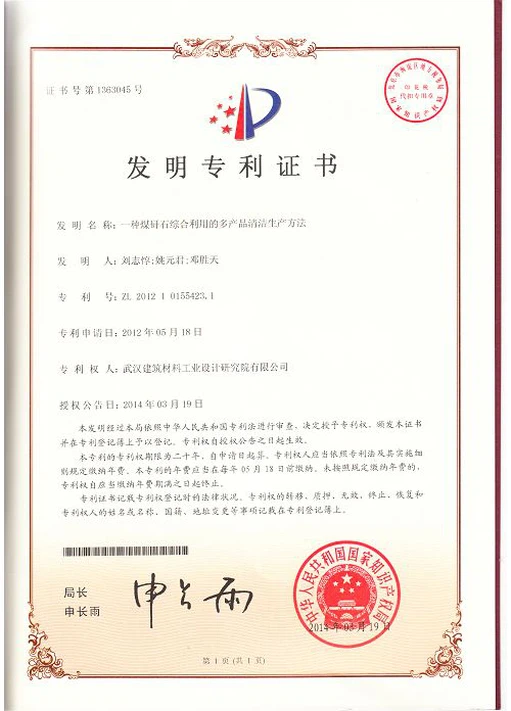
The company has a strong R & D and innovation capacity of equipment, with more than 60 patents and software copyrights, and has been certified as a national high-tech enterprise.
What is Sand and Gravel Aggregate
Sand aggregate is a general term for materials such as sand, pebble (gravel) gravel, crushed stone, block stone, aggregate stone, etc. Sand and gravel aggregates are the main building materials for concrete and piled stones in water conservancy projects. Humans use it to build and transform the world, consuming tens of billions of tons of gravel aggregates every year. Aggregate accounts for 60% to 75% of the volume of hardened concrete and is the main component of concrete.


Benefits of Sand and Gravel Aggregate
They Help To Solidify Concrete Mixture
Crushed aggregates comprise approximately 60% to 75% of the entire volume of concrete. Crushed aggregates have a significant impact on the quality of freshly mixed and dried concrete, rendering it more compact, decreasing permeability (which makes it far more resistant to water) and also changing heat retention values.
Reduces The Amount Of Water Used
Aggregate, depending on its porosity, can retain moisture both internally and externally. As a result, aggregate has the ability to absorb water.
Increase The Mechanical Strength Of The Concrete Or Asphalt
While a smooth surface increases workability, a more coarse surface generates a stronger link between both the paste as well as the aggregate, leading to greater strength. The amount of paste required for workable concrete is influenced by the grade, or size distribution, of the material.The water permeability of concrete is lowered and its water resilience continues to increase: the aggregate size is larger, the pores are larger, and the permeability is better. The internal porosity of the coarse aggregate specimen is bigger than the internal porosity of the fine aggregate specimen under similar conditions, which results in an increased permeability coefficient.
Heat Retention Properties Are Modified
The thermal conductivity of concrete varies with density, with heavier particles having a higher thermal conductivity. As the temperature rises, pore water loss and drying of cement are reported to diminish the conductivity of concrete.
What are the Applications of Sand and Gravel Aggregate
Constructional in general
Aggregates are used in construction to provide drainage, fill voids, protect pipes, and to provide hard surfaces. They are also used in water filtration and sewage treatment processes. Water will percolate through a trench filled with aggregate more quickly than it will through the surrounding soil, thus enabling an area to be drained of surface water. This technique is frequently used alongside roads in order to disperse water collected from the asphalt surfacing.Voids created around the foundations of buildings during construction are filled with aggregate because it is easier to compact than the original soil that was removed, resulting in a more solid finish that will support the structure.
Concrete
Concrete is a mixture of aggregates, cement and water. The purpose of the aggregates within this mixture is to provide a rigid skeletal structure and to reduce the space occupied by the cement paste. Both coarse aggregates (particle sizes of 20mm to 4mm) and fine aggregates (particle sizes less than 4mm) are required but the proportions of different sizes of coarse aggregate will vary depending on the particular mix required for each individual end use.
Asphalt and roadstone
This category includes not just roads, but also pavements, airport runways, school playgrounds, car parks, most footpaths or cycleways, and other similar structures. Although each type of structure will require some variation in the material, it is useful to look at the basic structure of roads because they represent the bulk of the aggregate use in this category.The subgrade represents the natural soil, which will be compacted before the road construction starts.
Mortar
Mortar consists of sand, cement and water. In some circumstances lime may also be added, together with admixtures which are chemicals to control setting and workability and/or pigments if required. They are used to bond bricks or concrete blocks together in walls and to provide weather protection or rendering. There are also types of mortar that can be used as internal plasters but these should not be confused with the more normally used, gypsum based, plasters.
Types of Sand and Gravel Aggregate
Sand
Sand is the most basic form of aggregate. It is created by natural erosion or quarried from a seam. Colour can vary, but it is usually cream, brown, or grey. As a fine aggregate, sand can be used to fill the voids where other coarse aggregates are also being used.There are different types of sand available for construction: sharp sand, ballast, and even recycled sand. Each type has its own uses. Sharp sand tends to be used for mixing concrete or for jobs like laying paving slabs. This is because it has the largest grains and can provide a strong bed for other material to sit.
Ballast Sand
Ballast is a mix of sand and gravel and is generally used when building foundations for specific jobs such as houses and roadways as well as railways. The reason for this is that it's heavy enough to provide a stable base and stop the structure from moving, but not so heavy that it limits drainage. Keep reading to find out the difference between sharp sand, ballast sand and recycled sand.
Gravel
Gravel has larger grains than sand. It can be used as part of driveways or pathways, occasionally mixed with concrete but often simply laid down on top. Gravel is also a great mulch substitute. Mulch can still allow weeds and grass to grow in your flower beds, while gravel lets you maintain a good-looking landscape year-round with less upkeep.
Rocks, Pebbles And Shingle
These types of aggregate come in a variety of colours, shapes, and surface textures. Shingle and stone aggregate can be glassy, smooth, rough, honeycombed, and more, and can be used to create unique and beautiful decorative garden features.
Crushed Rock
One particular type of aggregate is crushed rock, made when larger pieces of rock are crushed into smaller pieces. This makes for another excellent base for forming concrete slabs and driveways.
Concrete and stone masonry is the foundation of many construction projects, and sand aggregate demonstrates its crucial function here. When mixed with concrete, sand aggregate provides stability, forming a rigid structure known as the skeleton. This skeleton gives concrete its robust and durable nature, enabling it to withstand heavy loads and harsh weather conditions.
It also works as a filler in concrete, adding bulk and reducing the quantity of cement needed. This improves the concrete's durability and makes construction more cost-effective.
Sand aggregate is versatile, and you'll find it employed in various civil engineering applications. It's a key component in cement and asphalt, commonly used in road foundations and railway track slags. Moreover, it's an integral part of mortar, providing the necessary adhesion to bind bricks or stones together in construction projects.
The content of harmful impurities should not be higher than 1%, the content of mud lumps should not be higher than 1%, and the content of mud should not exceed 3%.
The sand and gravel aggregate particles are full in shape and are cubic, without too many needle-like particles, and the content of needle-like particles should not exceed 15%.
The ratio of aggregate compressive strength to concrete strength grade should not be less than 1.5.
The gradation of sand and gravel aggregates is reasonable. 1.18 or more and less than 30%, 0.15 or less should be less than 20%, 0.6 and 0.3 particles as the main body, should account for 20%-30% respectively.

How to Choose the Right Sand and Gravel Aggregate Material for Your Construction
Project Location
The location of your construction project is an important factor to consider when choosing the right aggregate material. The availability of certain types of aggregate materials may vary depending on the location. For example, if your project is located near a river, you may have access to a large supply of sand and gravel. On the other hand, if your project is located in an urban area, you may need to consider using recycled concrete or other alternative materials.
Type Of Construction Project
The type of construction project you are working on is another important factor to consider when choosing the right aggregate material. Different types of construction projects require different types of aggregate materials. For example, if you are working on a road construction project, you may need to use a specific type of aggregate material that is designed to withstand heavy traffic and harsh weather conditions.
Desired Properties Of The Finished Product
The desired properties of the finished product are another important factor to consider when choosing the right aggregate material. Different types of aggregate materials have different properties, such as strength, durability, and permeability. For example, if you are working on a project that requires a strong, durable material, you may need to use a type of aggregate material that is known for its strength and durability.
Environmental Impact
The environmental impact of the aggregate material is another important factor to consider when choosing the right aggregate material. Some types of aggregate materials, such as recycled concrete, are more environmentally friendly than others. By choosing an environmentally friendly aggregate material, you can reduce your environmental impact and promote sustainability.
Cost
The cost of the aggregate material is another important factor to consider when choosing the right aggregate material. Different types of aggregate materials have different costs, and it is important to choose a material that fits within your budget. However, it is important to remember that the cheapest option may not always be the best option, as it may not provide the desired properties or environmental impact.
Preprocessing
In this stage, it is mainly used to pre-crush the bulk materials in the raw ore of sand and stone aggregate by means of hammering, sort the sundries which are not suitable for crushing, and remove the sundries such as waste wood and plastic, so as to facilitate the next processing procedure. The primary magnetic separation is carried out to remove the waste iron from the aggregate.
Crushing And Sand-making
Firstly, use a vibrating feeder to feed the raw materials evenly. Then use a jaw crusher to crush them. The jaw crusher uses the movement of the jaw plate to crush the large aggregate of sand and gravel into smaller particles. The raw material will be transported to the transit heap by the conveying equipment. Then use the sand making machine to turn the materials into fine plastic, sand and stone aggregate.
First-stage Screening
In this stage, the circular vibrating screen is used to divide the coarse cracked concrete aggregate into blocks of 0-40 mm and crushed materials of less than 5mm. The coarse aggregate of 5-40 mm can be directly used for the concrete making of general C15-C20 after being collected. Fine aggregate can be transported to the transit reactor for the next process.
Secondary Crushing And Screening
The ball mill can be used to grind the fine aggregate again. The crushed aggregate is divided into high-quality recycled aggregate of 5-20 mm by secondary screening, which can be used in the concrete manufacturing of C25-C30. The high-quality recycled fine aggregate of 0.15 mm-5 mm and the fine powder of 0.15 mm or less are selected by tertiary screening.
Common Aggregate Production Line Configuration
Generally speaking, the configuration of the aggregate production line should be combined with the user's working condition, capacity, finished product granularity, energy consumption and other requirements.
Tips to Improve the Quality of Sand and Gravel Aggregate
Select Qualified Mother Rock
The quality control of sand and gravel aggregates must be selected and controlled from the selection of raw materials to produce sand and gravel aggregates that meet the requirements.The quality of the mother rock directly affects the quality of the machine-made sand. Therefore, the qualified mother rock should be selected first before the production of machine-made sand and gravel aggregate. The mother rock must first pass the radioactive test and the qualified mother rock of the alkali-aggregate reaction experiment.
Reasonable Selection Of Machine-made Sand And Gravel Processing Equipment
According to the local climate characteristics and the characteristics of sand mother rock, try to choose dry processing technology and cost-effective crushing equipment.For medium and soft materials like limestone, impact crusher can be used instead of hammer crusher. This is because products processed by hammer crusher have high needle flake content, many dark cracks inside the sand and gravel aggregate, low crushing value and loss of firmness.
The Soil Must Be Removed Before Coarse Crushing
Because the raw material of parent rock is mixed with soil and weathered rock surface, these impurities with low compressive strength are generally small in particle size. The combination of bar feeding screen and soil removing screen is used to remove them in advance before coarse crushing, so as to improve the quality of finished sand and gravel aggregate.
Reasonable Selection Of Particle Size Of Raw Materials
The maximum size of raw material for shaping sand should not exceed 40 mm; for sand production, pre-screen the soil in the raw material.
Reasonable Selection Of Cavity Type And Impeller Speed Of Sand Making Machine
The sand making machine adopts the crushing cavity type of "rock on rock", the rotor edge line speed is 60-70 m/s, the aggregate shaping effect is good, the sand forming rate is moderate, and the amount of stone powder is less.
Our Factory
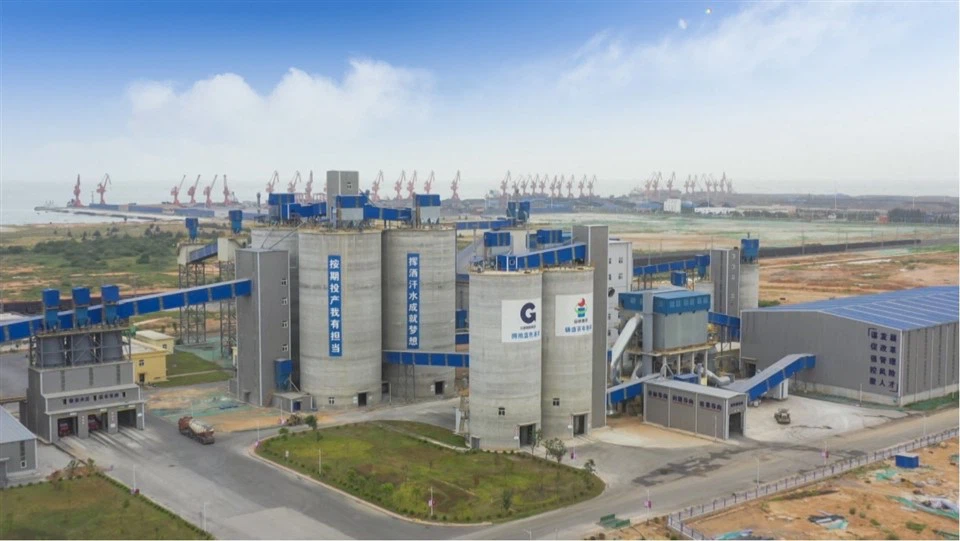
Wuhan Building Materials Industry Design & Research Institute Co., Ltd. (Wuhan Institute) established in 1965, is a wholly-owned subsidiary of Sinoma Energy Conservation Ltd. which belongs to CNBM Group. The company is specializing in engineering consulting, engineering design, equipment manufacturing and general contracting for fiber cement board, aerated concrete and comprehensive utilization of mineral resources, solid waste disposal, gas waste treatment, new energy power generation and other energy-saving and environmental protection fields. The company has a registered capital of 105 million yuan, 400 employees, including 16 professor-level senior engineers, 70 senior engineers, 90 engineers with medium-grade professional title or above, and 310 technical staff with other majors.
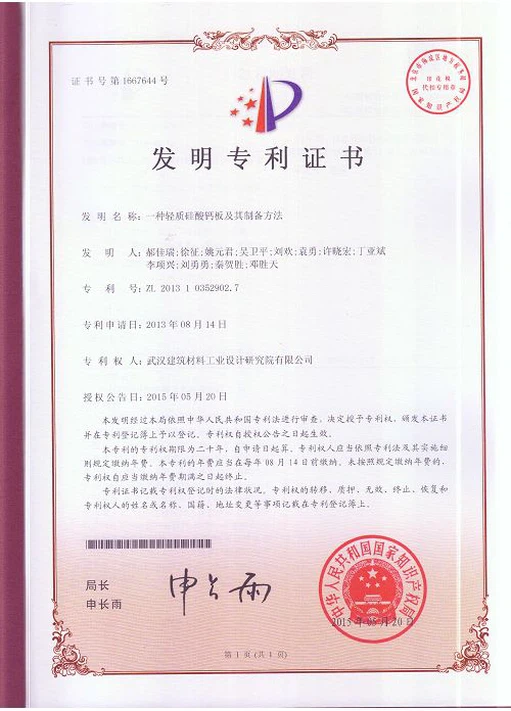
Certificate

FAQ
Q: What are some interesting facts about aggregates?
Q: What do you need to know about aggregates?
Q: Is sand and gravel renewable or nonrenewable?
Q: Should aggregate be clean before mixing?
Q: What are the facts about sand and gravel?
Q: What makes an aggregate good?
Q: What is sand and gravel used for?
Q: Why is sand and gravel an important resource?
Q: What is sand and gravel?
Q: What is the 90 minute rule for concrete?
Q: What types of aggregates should be avoided?
Q: How long does aggregate take to cure?
Q: Where are sand and gravel usually found?
Q: Where does sand and gravel come from?
Q: What is sand and gravel made of?
Q: Why is sand a good aggregate?
Q: What is the purpose of aggregation?
Q: How is sand and gravel processed?
Q: What is sand and gravel mix called?
Q: Is sand and gravel renewable?
Hot Tags: sand and gravel aggregate, China sand and gravel aggregate manufacturers, suppliers, factory, Energy Conservation and Environment Protection, Sand and Gravel Aggregate processing system, gravel aggregate production line, high-temperature Steel Slag and Slag Treatment, Sand Aggregate production line, Press Machine with Oil treatment System
You Might Also Like


Send Inquiry