





Flow-on Sheet Forming Machine
Wuhan Building Material lndustry Design & Research Institute Co., Ltd., subordinated to CNBM was established in 1965. lt is the leading company in fiber cement board / calcium silicate board machinery industry, and has sold more than 200 lines all over the world.The Company's design center has more than 200 engineers, who can give customers the most professional design. The Company also has modern laboratories to help the customers to choose the most suitable rawmaterials and production formula through the testing of raw materials and final products.
Why Choose Us
Factory Strength
Wuhan Building Material lndustry Design & Research Institute Co., Ltd., subordinated to CNBM was established in 1965. lt is the leading company in fiber cement board / calcium silicate board machinery industry, and has sold more than 200 lines all over the world.
Rich Experience
Wuhan Institute has been deeply engaged in the Calcium Silicate board / Fiber Cement board industry for more than 40 years, so far, it has cooperated with many large group companies such as SHERA, Saint-Gobain, ASK, Conch Cement, etc., and has cooperated in more than 200 production lines in the world.
Professional Team
400 Employees, including 16 professor-level senior engineers, 70 senior engineers, 90 engineers with medium-grade professional title or above, and 310 technical staff with other majors.
Quality Control
The Company also has modern laboratories to help the customers to choose the most suitable rawmaterials and production formula through the testing of raw materials and final products.
Related Product

High Capacity Fiber Cement Production Line
Fiber cement/calcium silicate board, is a kind of board made from inorganic mineral fiber or cellulose fiber, silicon and calcium materials whose technic process is :slurry preparing, sheeting, curing.

Flow-on process is one of the techniques to form the fiber cement sheet.
Density of material slurry will be higher for Flow-on process compares to Hatcheck process.
Machine configuration is simpler, operation and maintenance work are relatively easier compares to Hatcheck process. Flow-on process is suitable for produce high quality boards.

Hatschek Sheet Forming Machine
Good uniformity of green sheet thickness
Good surface appearance and smoothness
Advanced material level and concentration control system ensure less recycled water and provide higher efficiency.

Press Machine with Oil-treatment System
The press is equipped with guide rail lifting device or roller conveyor with lifting, which can be embedded in the conveyor line. For its simple layout,it is applicable to the design of new production line or the transformation of old plant under various working conditions.

Accurate thickness measurement, strong ability to identify chipped corners, rotten edges, color differences and dark cracks on the surface of the plate.

According to the visual inspection and thickness inspection results of the previous section, automatic detection of defects/defects is realized, and the inspection results are transmitted to the robotic arm system to complete the automatic grading and stacking of sheets.
Flow-on Sheet Forming Machine carries out a highly efficient process that takes long metal coils and fabricates them into exact configurations and end products. The process works well with a wide variety of both ferrous and nonferrous metals, including such examples as stainless steel, carbon steel and aluminum. The roll forming equipment applies pressure to metal coils incrementally in a continuous, multi-stage process that allows minimal bending pressure at each step. This ensures better control of the final shape of the metal strips, and also lessens the chance of substrate breakage.
Benefits of Flow-on Sheet Forming Machine
Precision Engineering at its Finest
Sheet forming machines employ cutting-edge technologies to shape metal sheets with unparalleled accuracy. The computer-controlled systems precisely control bending angles, radii, and other intricate details, ensuring the creation of components that meet the tightest tolerances. This precision enables the manufacture of complex parts with minimal defects, reducing post-processing and improving product quality.
Cost-Effective Production
Mass production of sheet metal components can be a costly endeavor. However, sheet forming machines offer significant cost-saving advantages. By automating the forming process, manufacturers eliminate the need for manual labor and reduce the risk of human error. The rapid production rates and minimal scrap material contribute to overall cost optimization.
Streamlined Workflow
The integration of sheet forming machines into manufacturing processes streamlines operations and improves efficiency. These machines are often equipped with advanced software that enables direct interfacing with design and engineering teams. This seamless communication ensures accurate data transfer and eliminates bottlenecks in the production cycle.
Enhanced Flexibility
Sheet forming machines provide remarkable flexibility in terms of the materials they can accommodate. From aluminum and steel to stainless steel and exotic alloys, these versatile machines are capable of handling a wide range of materials. This adaptability allows manufacturers to cater to diverse requirements and expand their product offerings.
Innovation and Customization
Beyond their core functionality, sheet forming machines provide a platform for innovation and customization. With the ability to create custom tooling and molds, manufacturers can produce unique and complex shapes that cater to specific design specifications. This opens up new possibilities for product development and differentiation.
Types of Flow-on Sheet Forming Machine
Roll Forming Machine
A roll forming machine for metal bending uses rollers to bend the sheet metal into a desired shape. The placement of the rollers determines the exact bend and angle of the metal, while the distance between the rollers controls the amount of deformation. The basic form of roll forming is when the end material is rectangular in cross section. Flat rolling uses two rollers rotating in opposite directions. The friction between the rollers elongates the sheet metal and pushes it through the machine. This process limits the amount of deformation the metal can undergo in a single pass.
Forging Machine
The process of metal forming is similar to that of extrusion, in that it involves applying a force to a workpiece in order to change its cross-section. This process is also used to create small diameter wires by reducing the diameter of the raw material and stretching its length. The process of tube drawing, on the other hand, creates seamless tubes. The types of metals that are used for metal forming vary considerably.The process of bending involves a high temperature and a large amount of force, which overcomes the material's deformation resistance. This force then initiates and maintains the formation of the workpiece. The high pressure exerted on the forming tool results in mechanical stress on the workpiece. The resulting stress field shows differences in temperature, a feature that is essential for determining the final shape of the metal workpiece.
Application of Flow-on Sheet Forming Machine
The automotive industry
Car parts can be shaped using flow-on sheet forming machine for mass production.prior to the introduction of flow-on sheet forming machine, all car parts were cast by hand. The forming press removed some of the human element, allowing internal and external parts to be produced quickly and accurately.the introduction of the automated forming press made the process even faster, with presses now able to produce car parts hundreds of time faster than their human counterparts.
The construction industry
Tools and metals for the construction industry, both large and small, can be forged by flow-on sheet forming machine.before flow-on sheet forming machine and automated flow-on sheet forming machine, the creation of these tools and metals was, once again, left in the hands of human workers.whether in the production of construction vehicles-like diggers and cranes-or smaller yet equally essential elements-like hand tools and screwdrivers-flow-on sheet forming machine have a huge part to play.but it goes beyond the tools used in construction; flow-on sheet forming machine can also manipulate the metals that make up the framework of most modern buildings.
Electronic components
Many modern electrical components are so small, you may think it's impossible to produce them by hand. While it might not be impossible, it's certainly difficult. Which is why flow-on sheet forming machine are often utilised.the time and dedication required for a human worker to produce such parts by hand is an intense thought. But flow-on sheet forming machine can produce these parts with ease, perfectly accurate every single time.the accuracy afforded by forming technology, when matched with the automation of cnc forming, can produce incredibly specific results. These include many of the unseen electrical components we all take for granted.
Currency production
Coins have been pressed in some form for centuries.hundreds of years ago, pressing coins by hand was the only way to imprint them with the appropriate imagery of the time.these printing tools will have been carved by hand, and wouldn't have been very impressive, as we can see from some of the surviving coins of eras gone by.but today, coins can be stamped in high volumes thanks to forming press technology, and feature far more impressive designs than would have been possible without it.
Features of the Flow-on Sheet Forming Machine
With the precut material, scrap material can be reduced which helps lower the cost of more expensive metal material.
An inspection device can be added to the forming machine for online inspection and quality control.
External devices can be installed on the forming machine for automated online assembly.
Allow viable operation of an automated production line.
Lower cost in the design of forming tools than metal stamping dies.
Higher flexibility in the modification of the forming tools.
Suitable for the manufacture of miniature complex-forming components.
Ideal for the manufacture of 3D components that cannot be made with a stamping press.
How to Choose Flow-on Sheet Forming Machine
Define Your Needs: The Blueprint for Success
Start by charting the course for your sheet forming venture. What materials will you tame? Mild steel, stainless steel, aluminum? Each demands a machine tailored to its unique properties. Next, consider the complexity of your designs. Intricate shapes require high-precision equipment, while simpler shapes can be crafted with less sophisticated machines.
Exploring Types: A Menagerie of Machines
The world of sheet forming machines is a vast tapestry woven with diverse types. Hydraulic machines exert immense pressure, enabling them to handle thick materials. Mechanical machines offer a balance of speed and affordability. Electro-hydraulic machines combine the power of hydraulics with the efficiency of electronics. The specific needs of your business will determine the ideal machine type.
Size Matters: Finding the Perfect Fit
The dimensions of your machine should align with the size of your workpieces. A machine too small will hamper productivity, while one too large will waste resources. Carefully measure your workpieces and factor in the space available in your workshop.
Reliability and Maintenance: Ensuring Longevity
Invest in a machine built to withstand the rigors of industrial environments. Choose reputable manufacturers known for their commitment to durability. Consider the availability of spares and the expertise of local technicians. Regular maintenance is crucial for prolonging the machine's lifespan and safeguarding your investment.
Cost-effectiveness: Striking a Balance
The cost of the machine should not overshadow its functionality. Determine your budget and research machines within that range. Be wary of overly cheap options, as they may lack the features or reliability you need. Conversely, don't overshoot your budget for bells and whistles you may not utilize.
Process of Flow-on Sheet Forming Machine
Sheet Forming Machine is used across a variety of industries, such as automotive, construction and aerospace. In the manufacturing industry, press brakes or punch presses are typically used to create precise control over the angle and radius of bend needed for complex shapes in sheets with material thicknesses that determine their rolling direction. Producing high quality sheet metal parts from pieces of metal while minimizing waste. It also allows transforming said materials into functional components with an aesthetically pleasing look. Bending facilitates increased strength, stiffness or improved aesthetics depending on how it's applied during forming.
Sheet Forming Machine a process known as curling, in which sheet metal components are given smooth edges and cylindrical shapes by eliminating sharp edges or burrs. Curving provides extra safety due to its ability of getting rid of rugged areas that could be potentially dangerous during handling or use. There is a wide range of tools specifically designed for this purpose including hammers, wooden boards, horns, gauge irons and more. Carbon steel, stainless steel, aluminum and copper have been recognized as the best materials suitable for such type of processing since they can increase not only durability but also improve product's aesthetics until it meets high-quality standards before leaving the production line.
Using a punch and die, sheet metal workpieces can be shaped by forcing the material through to achieve the desired form. This process is called ironing and it provides uniform wall thickness when used for aluminum cans production or deep drawing. It also helps minimize waste in materials as well as weak points caused by thin areas while achieving near-net shape forming of soft metals such as aluminum sheets with an excellent surface finish. Ironing has many advantages which are utilized in multiple industrial applications from construction and aerospace to automotive manufacturing industries requiring accurate components creation results.
Punching is another fundamental technique in Sheet Forming Machine. This process involves creating holes in the metal sheet by applying a high force on it using a punch and a die. The punch is the tool that penetrates the metal to create the hole, while the die is located on the opposite side of the sheet, supporting the material and giving the hole its shape and size.This method is highly efficient for mass production as it allows for the creation of multiple identical holes in a short amount of time. It is particularly useful in industries such as automotive and aerospace, where precision and consistency are key.
How to Maintain Flow-on Sheet Forming Machine
The Right Lubricant Goes a Long Way
Taking care of this equipment involves routine maintenance performed at regular intervals. Roll forming equipment from different manufacturers have very similar servicing requirements. The blades of the equipment should always be well oiled so that the cuts made are clean and precise. The right lubricating oils must be used for this purpose. Lightweight and environmentally friendly oils are recommended for roll forming machines. Heavy and penetrating oils make the blades sticky and consequently cause blunt cuts.
Rollers Must Be Cleaned Thoroughly
The rollers in the equipment should always be kept clean. The best way to clean the rollers is by spraying them using a spray cleaner and letting the machine run empty for a number of minutes. After this, unplug the machine and wipe the rollers with a clean towel. Repeat the process until all the rollers are clean. Cleaning the rollers saves you time and energy to wipe or clean long stretches of the material that you have cut.
Vacuum to Eliminate Debris
To remove debris that is lodged in the roll forming equipment, vacuum the machine. Vacuuming is more effective than blowing using compressed air because the compressed air is likely to push the debris to where the chains and bearings are located within the machine. Equipment should always be emptied of any material after completion of the day's tasks.
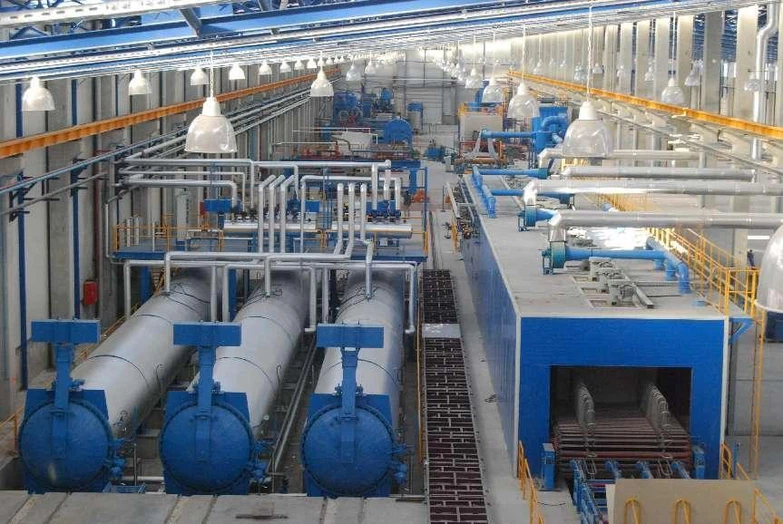
Our Factory

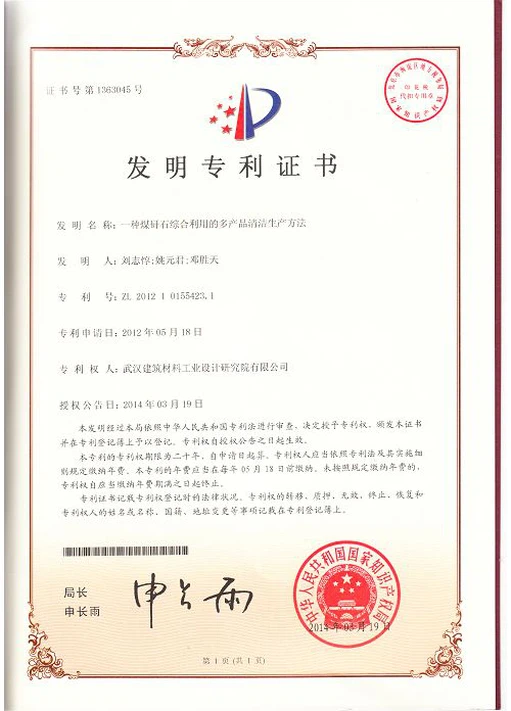
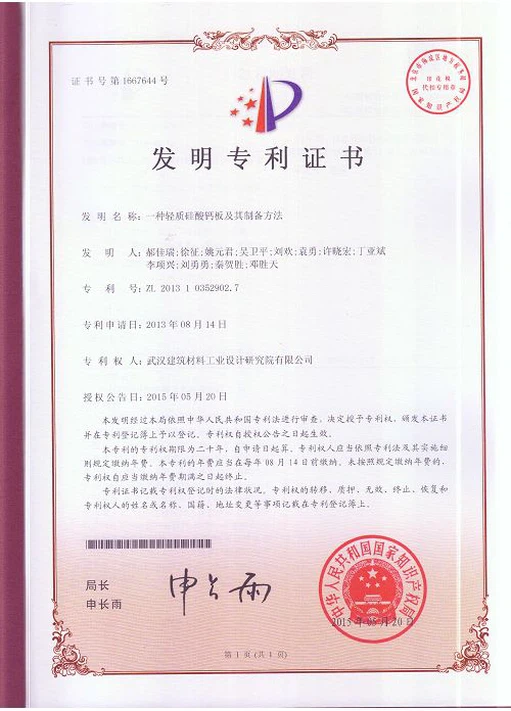
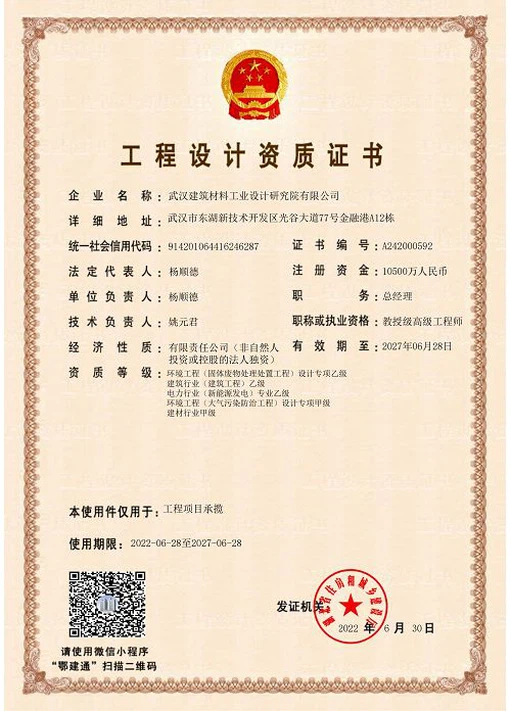
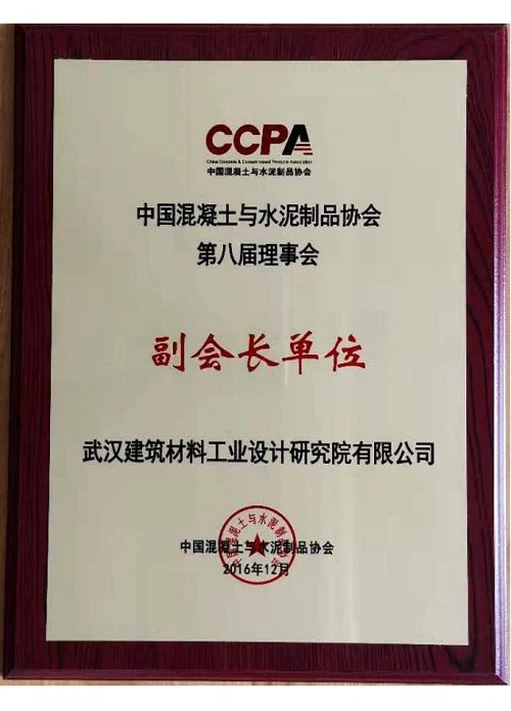
Certificate


FAQ
Hot Tags: flow-on sheet forming machine, China flow-on sheet forming machine manufacturers, suppliers, factory, automatic Sheet Forming Machine, Press Machine with Oil treatment System, Automatic Destacker and Sorting System, plates Destacker and Sorting System, High Capacity Fiber Cement Production Line, Mechanized Sheet Forming Machine
You Might Also Like


Send Inquiry