




Stacking Machine
What is Stacking Machine
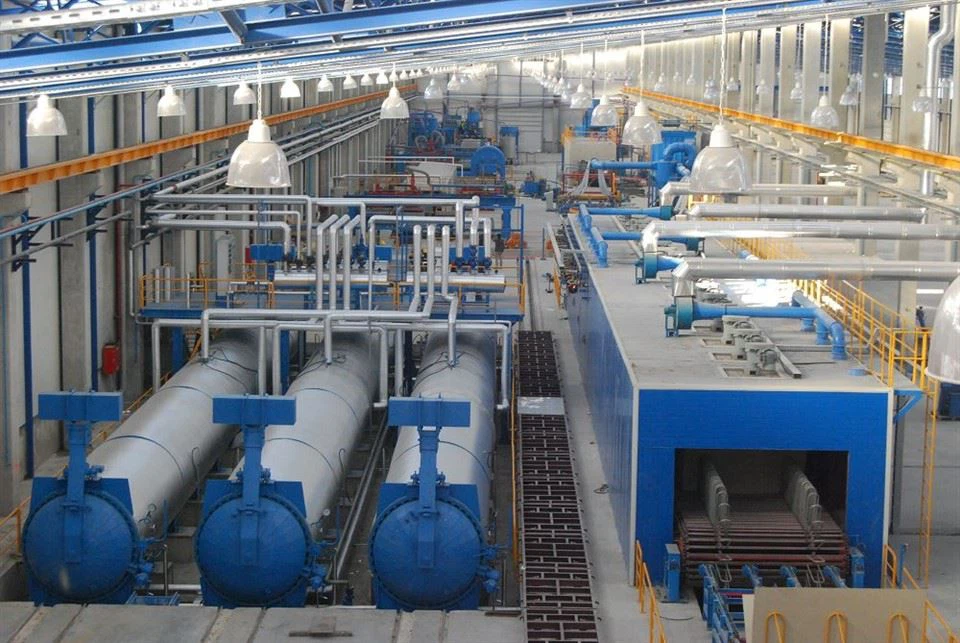
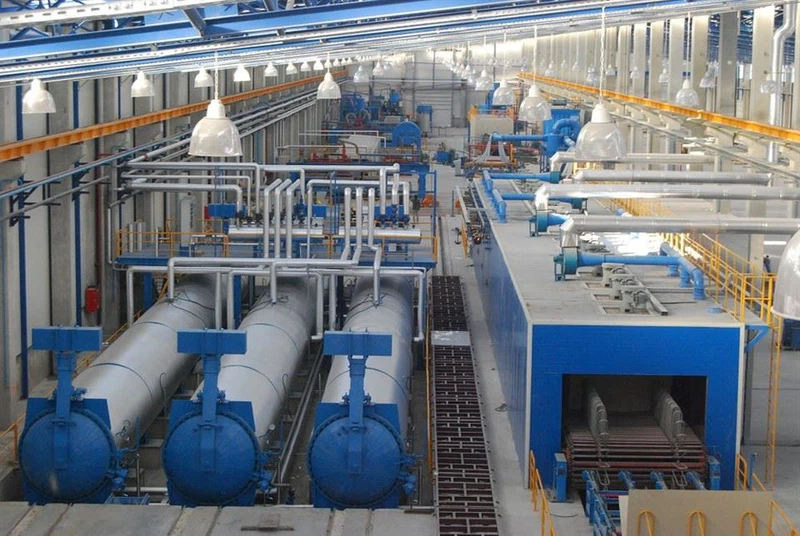
A stacking machine is a device used in industrial manufacturing facilities that is used to stack and arrange a variety of products, such as boxes, containers, or materials, onto pallets or other types of transportation equipment. The machine may use a variety of mechanisms, such as robotic arms, conveyors, or lifting equipment, to pick up products and stack them in precise formations. Stacking machines are widely used in various industries, such as food and beverage, pharmaceuticals, and logistics, to automate the packing and transportation process, save time and cost, and increase production efficiency.
Why Choose Us
Commitment to Quality
We only use the highest quality building materials and have a product to meet any budget and to meet any specification for any project. We stand over all our material as well as our technical advice.
We provide a product guarantee on all our material.
Commitment to Service
We pride our selves on providing the highest quality service to our customers. From advising on the best solution to any repair, replacement or new build installation. We work hand in hand with our customers when they need any advice on a solution for any flatroof project.
Commitment to Value
Our products are not only the hightest quality in each price range, we also strive to ensure you will receive value for money. We work closely with the manufacturers of all our products to make sure our customers come back over and over again.


Advantages of Stacking Machine
Improve productivity
The stacking machine can handle a large number of products faster than manual stacking, so that it can make it an effective way to increase productivity.
Improve safety
The stacking machine eliminates the needs of manual improvement and stacking, minimizing the risk of injury and creating a safer working environment.
Consistency
Stacking machines can be consistent and uniformly stacked to ensure that the product is stable and balanced, thereby reducing the risk of damage during storage or transportation.
Reduce labor costs
Through the automation stacking process, the company can reduce labor costs and distribute labor to other areas of the factory. In the factory, it can improve productivity.
Save space
Stacking machines can be higher and more compact stacking products, thereby optimizing the use of storage space and reducing the required warehouse area.
Improve profitability
By increasing productivity and reducing costs, stacking machines can help companies improve profitability and gain competitive advantages in the market.
Why Stacking Machine?
This is a consolidated attempt to address some of the points people have been bringing up about stack-based architectures.

Pipelining
Stack processors don't need to be pipelined for ALU and operands, because the operands are immediately available in the top of stack buffer registers. Access to the on-CPU stack RAM can be completely hidden by pipelining.
Stack Size and Interrupts
On-chip stack buffers only need to be about 16 deep. Spilling can be done by stack overflow interrupts (or, for that matter, statically scheduled by the compiler the same as register spills).
A neat thing about stack CPUs is that context switching for interrupts takes essentially zero time -- no registers need to be saved; you just put the ISR values onto the top of the stack and clean them off when you're done (presumes enough stack space is available -- no big deal to arrange).

Program Size
Program size doesn't matter (much) for workstations. But, for embedded control it matters a lot, especially when you're limited to on-CPU chip memory, and the CPU has to cost less than 5-10. Anecdotal evidence indicates stack computer program size can be smaller than CISC programs by a factor of 2.5 to 8 (and, another factor of 1.5 to 2.5 smaller than RISC, depending whom you want to believe). This comes not just from compact opcodes, but also from reuse of short code segments and implicit argument passing with subroutine calls.
Compilers
Stack compilers aren't currently very efficient -- but that's because no-one has really tried all that hard. I've published an algorithm and experimental results that suggest that stacks can be made about as efficient as registers in terms of keeping local variables at the top level of the memory hierarchy.


Applications
Overall, I'd say that stack machines are an excellent fit for high performance in a low cost system (not necessarily highest performance given unlimited cost). They should do especially well in embedded applications.
Types of Stacking Machine
Manual Stacking Machines
These machines require greater human involvement and are suitable for smaller-scale transformer production. Manual stacking machines offer simplicity and affordability, but they may not provide the same level of precision and speed as automated alternatives.
Semi-Automated Stacking Machines
These machines combine manual labor and automation, offering a balance between affordability and productivity. They typically involve an operator manually placing laminations on a platform, which is then mechanically aligned and stacked. Semi-automated machines can handle a broader range of transformer sizes and shapes.
Fully Automated Stacking Machines
These machines offer the highest level of precision, speed, and productivity. They require minimal human intervention, as the entire stacking process is automated. Fully automated stacking machines are well-suited for large-scale transformer production, where high volumes and consistent quality are paramount.
How to Choose Stacking Machine
Capacity
The first factor to consider when choosing a stacking machine is the capacity. You need to determine the amount of material you want the machine to handle. Consider the weight and size of the products you will be stacking.
Type of Stacking Machine
There are different types of stacking machines such as automatic stacking machines, semi-automatic stacking machines, and manual stacking machines. Consider the type of machine that suits your business needs and budget.
Flexibility
Choose a machine that is flexible enough to stack a wide range of products and materials. The machine should be adjustable to accommodate different sizes and shapes of products.
Automation Level
Choose a stacking machine that fits the level of automation required in your business. If you need to stack large volumes of products, an automatic stacking machine would be ideal. However, if you have smaller volumes, a semi-automatic or manual machine may be sufficient.
Speed
Consider the speed of the machine. Machines with high speeds are ideal for high volume stacking operations, while slower machines are efficient for small-scale businesses.
Maintenance and Durability
Choose a machine that is durable and easy to maintain. The machine should be made of high-quality materials and designed for easy cleaning and maintenance.
Budget
Consider your budget when choosing a stacking machine. Go for a machine that meets your business needs and budget. However, remember that a high-quality machine may cost more but will be worth the investment in the long run.
In conclusion, choosing the right stacking machine is critical to the efficiency and productivity of your business. Consider the factors above before making a choice.
Applications of Stacking Machine
Warehousing and Logistics
Stacking machines are commonly used in warehouses and logistics centers for lifting and transporting heavy goods vertically to a height of 25 feet or more. They help in maximizing the available space and ensuring the efficient movement of goods within the warehouse.
Manufacturing
Stacking machines are used in the manufacturing industry for loading and unloading raw materials and finished goods. They are also used for moving heavy machine parts and equipment from one floor to another during maintenance or repairs.
Construction
Stacking machines are used in construction sites for lifting and transporting heavy building materials such as bricks, cement bags, and steel bars. They are also used for lifting and lowering heavy equipment and tools to different levels of the construction site.
Airports
Stacking Machines are used at airports for loading and unloading cargo from airplanes. They are also used for lifting and transporting luggage and baggage carts vertically to different levels of the airport.
Retail and supermarkets
Stacking machines are used in supermarkets and retail stores for stocking and restocking products on shelves. They help in minimizing the need for manual handling of heavy products and ensure faster and more efficient restocking.
Agriculture
Stacking machines are used in the agriculture industry for lifting and transporting heavy items such as bales of hay and bags of grain vertically. They are also used for loading and unloading materials from tractors and trucks.
Maintenance and Calibration of Stacking Machines
The Importance of Regular Maintenance
Regular maintenance is vital to keep stacking machines in optimal condition. A well-maintained machine not only extends its lifespan but also ensures consistent and high-quality output. Maintenance procedures typically include cleaning, lubrication, and inspection of various components such as rollers, belts, and sensors.
Cleaning and Lubrication
One of the primary maintenance tasks is cleaning the machine thoroughly. Dust, debris, and residual adhesives can accumulate and affect the machine's performance. Regular cleaning prevents build-up, ensuring smooth operation. Additionally, proper lubrication of moving parts reduces friction and extends the life of the machine. Lubricants specifically designed for stacking machines should be used to avoid any adverse effects on the materials being processed.
Inspection of Components
Regular inspection of machine components is necessary to identify any signs of wear or damage. Rollers, in particular, should be inspected, and if any signs of wear or irregularities are found, they should be replaced immediately. Faulty rollers can cause misalignment or uneven stacking, leading to subpar laminated products. Belts, sensors, and other moving parts should also be inspected and replaced if necessary. Proper alignment and tensioning of belts are critical to ensure the accurate stacking of sheets.
Calibration Procedures
Calibration is a vital process in maintaining the accuracy and precision of stacking machines. Regular calibration ensures that the machine is stacking sheets at the correct angles and dimensions specified by the operator. Calibration involves adjusting sensors, tensioners, and other settings to achieve the desired output. Manufacturers typically provide detailed calibration instructions in the machine's manual, which should be followed meticulously to maintain machine accuracy.
Calibration Tools and Techniques
To perform calibration effectively, specific tools and techniques are often utilized. Laser alignment devices can help verify the stacking angles and ensure accurate positioning of the sheets. Tension gauges and load cells can be used to measure and adjust belt tensions precisely. Some advanced stacking machines also incorporate automated calibration systems that simplify the process and eliminate human errors. Regular calibration checks ensure that the machine is consistently operating within set tolerances.
Training and Operator Responsibilities
Apart from regular maintenance and calibration, proper training of machine operators is essential. Operators should be familiar with the machine's manual, maintenance procedures, and calibration guidelines. They should diligently follow the recommended maintenance schedule and report any anomalies or issues promptly. Operators should also undergo periodic training to keep up with the latest advancements and techniques in machine maintenance and calibration.

Factors to Consider When Selecting a Stacking Machine
Machine Flexibility and Adaptability
Transformers come in different sizes, shapes, and core configurations. Therefore, it is essential to choose a lamination stacking machine that can accommodate a wide range of transformer designs. Look for machines with adjustable stacking parameters, such as flexible tooling systems and customizable stacking patterns.
Precision and Accuracy
The core assembly process is highly precise, and even the slightest misalignment can significantly affect a transformer's performance. Hence, the selected machine should possess excellent accuracy and precision in stacking laminations. This ensures that the core is tightly bound, minimizing losses and maximizing efficiency.
Speed and Efficiency
Transformer manufacturing is a time-sensitive process, and production volumes need to be maintained. Opt for a lamination stacking machine that offers high-speed capabilities while maintaining accuracy. This would help meet production targets without compromising on quality.
Ease of Use and Error Prevention
Look for machines equipped with user-friendly interfaces and automated features to minimize human error. For instance, integrated sensors and feedback mechanisms can detect misalignments or missing laminations, preventing faulty core assemblies.
Maintenance and Support
Ensure that the selected machine is reliable and backed by a reputable manufacturer. Regular maintenance and prompt technical support are crucial to minimize downtime and address any operational issues efficiently.
Summary of Stacking Machine Learning
Stacking is an ensemble method that enables the model to learn how to use combine predictions given by learner models with meta-models and prepare a final model with accurate prediction.
The main advantage of using a stacking ensemble is that it can protect the ability of a variety of effective models to solve classification and regression issues. It also aids in developing a better model with predictions that are superior to those of all individual models.
We have learned about different ensemble techniques and their definitions in this topic, as well as about the stacking ensemble method, the structure of stacking models, and the steps involved in implementing stacking models in machine learning.
Stacking Machine Definition
A stacking machine is a vehicle used to transport and lift loads that are stacked in places like warehouses, factories, and markets, enabling them to be moved from one location to another and lifted or lowered.
In today's modern industrial environments, the organized transportation and stacking of loads in places like warehouses, factories, and markets are crucial for efficient and effective operations. One of the critical tools that fulfill this function is the stacking machine. Stacking machines are equipped with hydraulic systems that perform the tasks of transporting and loading/unloading loads from one point to another. The lifting and lowering movements, executed through hydraulic pumps, can be powered by human strength, batteries, or electric energy, depending on the power source. These functional machines provide significant convenience in modern industrial processes.
What Is a Stacking Machine? What Is the Stacker For?
Stacking machines, pallet stacking machines or stacking machines are utilized for conveying loads and stacking.
It is a man-powered vehicle that the user uses on foot. It is mainly used in warehouses.
It provides more comfortable maneuver in narrow areas where forklifts cannot enter. The stacker will not be enough, It can be ideal for situations that require forklifts but work in narrow aisles. Let's continue with the stacker. It is especially used in warehouses.
Working principles of stackers are clean and smooth floors. It cannot fulfill its duty on uneven surfaces or floors with grit that will prevent the movement of the machine. They are standing equipment that usually does not have an operator seat. We can say that stacker prices are more affordable than forklifts. One of the differences between a forklift machine and a stacker; the stacker is not suitable for outdoor use.
Certificate
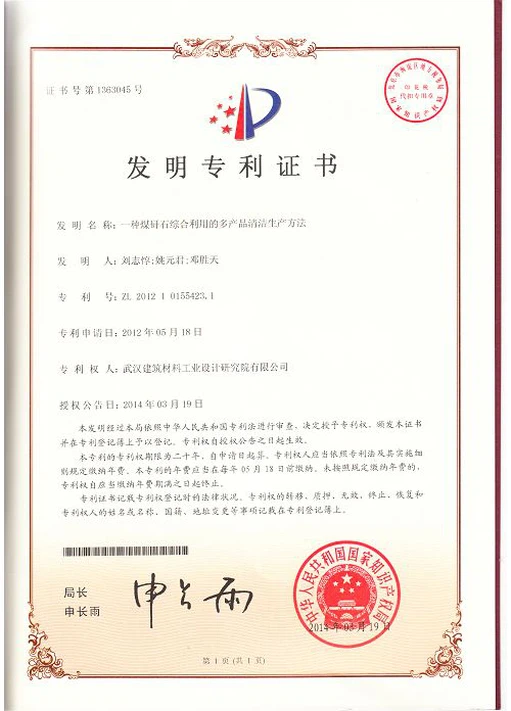
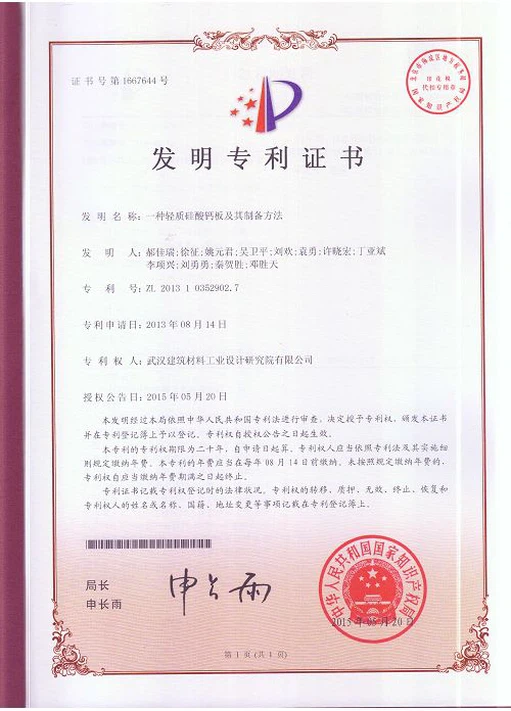
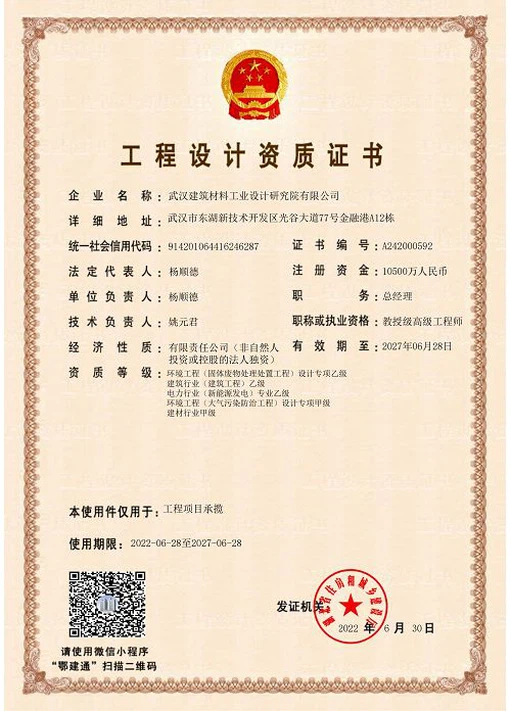
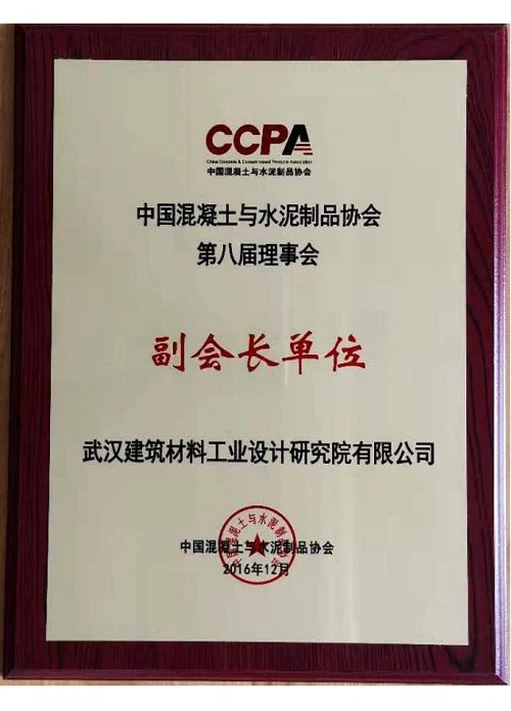
Obtained many national science and technology conference awards, provincial and ministerial engineering design and technical progress awards, etc., and own nearly 60 patents.


Our Factory
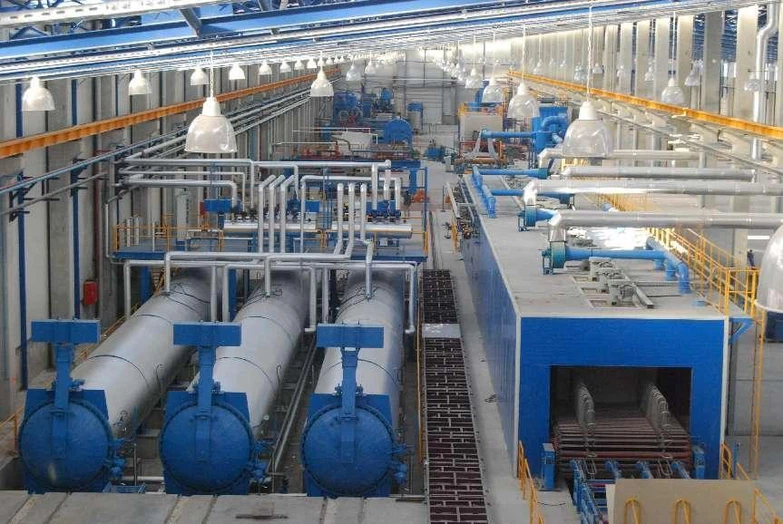
Wuhan Building Material lndustry Design & Research Institute Co., Ltd., subordinated to CNBM was established in 1965. lt is the leading company in fiber cement board / calcium silicate board machinery industry, and has sold more than 200 lines all over the world.The Company's design center has more than 200 engineers, who can give customers the most professional design. The Company also has modern laboratories to help the customers to choose the most suitable rawmaterials and production formula through the testing of raw materials and final products.

FAQ
Q: What is stacker machine?
Q: What is the function of stacking machine?
Q: What is the purpose of a stacker?
Q: What is the mechanism of a stacker?
Q: What is the difference between a spreader and a stacker?
Q: What are the basic requirements of stacking?
Q: What is a stacking system?
Q: What is the difference between stacker and reclaimer?
Q: How does a radial stacker work?
Q: What is a stacker in manufacturing?
Q: What is radial stacking?
Q: How do you stack goods in a warehouse?
Q: What are the hazards of improper stacking?
Q: What is server racking and stacking?
Q: What is the difference between racking and stacking?
So, a rack refers to a supporting framework that holds hardware modules. They contain servers, hard disk drives and other equipment. Stacking is the process of sorting the racks and piling them up.
Q: What is stacking technique?
Q: Why is stacking important in a warehouse?
This method can improve the utilization rate of the warehouse capacity, realize the safe handling and storage of goods, is suitable for semi-mechanized and mechanized operations, improves labor efficiency, and reduces cargo damage and shortage.
Q: What are the different types of stacking?
Pallet Racking. Racking is the most basic method employed in a warehouse. ...
Single Stacking. ...
Double Stacking or Block Stacking. ...
Pallet-less Stacking.
Q: What is the formula for stacking height?
Q: What is is the right way for stacking high material?
Hot Tags: stacking machine, China stacking machine manufacturers, suppliers, factory, Press Machine with Oil treatment System, High-efficiency Destacker and Sorting System, automatic Sheet Forming Machine, High Capacity Fiber Cement Production Line, sheet roll forming machine, Automatic tray destacker
You Might Also Like


Send Inquiry