


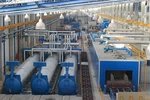
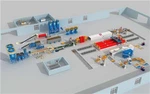


Aerated Concrete Block Production Line
Company Advantages
Advanced Equipment
Equipment based on the latest technological developments has higher efficiency, better performance and stronger reliability.
After-Sales Service
The professional and thoughtful after-sales team makes you worry-free after-sales. Intimate service and strong after-sales team support.
Rich Experience
Wuhan Institute has been deeply engaged in the Calcium Silicate board / Fiber Cement board industry for more than 40 years, so far, it has cooperated with many large group companies such as SHERA, Saint-Gobain, ASK, Conch Cement, etc., and has cooperated in more than 200 production lines in the world.
Professional Team
The company has a strong R & D and innovation capacity of equipment, with more than 60 patents and software copyrights, and has been certified as a national high-tech enterprise.
What is Aerated Concrete Block Production Line
Autoclaved aerated concrete blocks are made of calcium materials (such as cement, lime) and siliceous materials (such as sand, fly ash, slag) by adding aluminum powder to make an aeration agent, which is stirred and cast by water. , Porous expansion and pre-curing cutting, and then porous silicate block made by high-pressure steam curing. The weight per unit volume of autoclaved aerated concrete blocks is one-third of clay bricks, thermal insulation performance is 3-4 times that of clay bricks, sound insulation performance is 2 times that of clay bricks, and impermeability is more than double that of clay bricks. , Fire resistance is 6-8 times that of reinforced concrete.


Benefits of Aerated Concrete Block Production Line
Faster Construction
Autoclaved aerated concrete blocks make for much faster construction times.The blocks are larger and have fewer joints than the other, non-autoclaved aerated concrete blocks, which makes them easier to maneuver and leads to faster completion times.Also, aerated concrete blocks are easier to handle than other blocks and drills and saws can easily cut through the blocks to make them the size and shape they need to be in order to fit a specific place.
Fire Resistance
Another reason why autoclave aerated concrete blocks should be used is that they are more fire-resistant.The blocks can last anywhere from two to six hours before burning through, depending on the size of the block.
Durability
Autoclaved aerated concrete blocks are very strong and they far outlast that of their ordinary counterparts.The blocks consist of materials that are not biodegradable and repel mold.Because of their great strength, AAC blocks are more stable as well.
Cost-effectiveness
Autoclaved aerated concrete blocks can be used with less steel and concrete to hold them in place due to weighing significantly less than traditional concrete blocks.This can lower the cost to build because you don't have to use as much of the concrete and steel.
Soundproofing
When noise is an issue, autoclave aerated concrete block is the way to go.Its characteristics are just right for buildings like hotels or movie theaters.
Safe Materials
Autoclaved aerated concrete blocks are created with the use of non-toxic materials in order for them to be safe for use.As a result, they are not likely to attract mice and other pests.
What are the Applications of Aerated Concrete Block Production Line
High-rise frame building
Years of practice proved. The application of aerated concrete in high-rise frame buildings is economical and reasonable, especially the use of blocks to build internal and external walls, which has generally been recognized by the society.
Buildings in earthquake-resistant areas
Due to the light weight of the aerated concrete, the seismic force of the building is small, which is advantageous for earthquake resistance. Compared with the brick-concrete building, the same building, under the same earthquake conditions, the degree of earthquake damage is different by the earthquake design fortification level, such as the brick-concrete building When the fortification reaches 7 degrees, it will be destroyed, while the aerated concrete building will not be destroyed when the fortification reaches 6 degrees.
Buildings in severe cold areas
Aerated concrete has good thermal insulation performance. The thermal insulation effect of a 200mm thick wall is equivalent to that of a 490mm thick brick wall, because it has outstanding architectural economic effects in cold regions and is competitive.
Soft foundation construction
Under the same foundation conditions, the number of layers of aerated concrete buildings can be increased, which is economically advantageous. The main disadvantages of aerated concrete are large shrinkage, low modulus of elasticity, and fear of freezing damage. Therefore, aerated concrete is not suitable for the following occasions, the temperature is greater than 80 ℃, the environment with acid and alkali hazards; the long-term humid environment, especially in the cold Particular attention should be paid to the region.
Types of Aerated Concrete Block Production Line
Gray Blocks
Gray blocks (concrete masonry units) are popular building materials for a variety of reasons. They are relatively inexpensive and easy to work with, which makes them ideal for many construction projects. In addition, gray block is strong and durable, providing a sturdy foundation for walls and other structures.They are also non-combustible and have a high fire rating, making them an excellent choice for applications where fire safety concerns. Gray block is available in various sizes and shapes (8″ x 8″ x 16″ being the most common), giving builders a great deal of flexibility when designing projects.
Autoclaved Aerated Concrete Blocks
Autoclaved aerated concrete (AAC) blocks are lightweight, pre-cast building materials made with sand, lime, gypsum, and cement. Blocks are usually cast in molds and then cured in an autoclave, which uses steam to accelerate the curing process. The finished blocks are strong and durable yet easy to work with, making them a popular choice for both commercial and residential construction projects.
Breeze Blocks
Breeze blocks are a type of concrete block commonly used to construct visual walls. As with all concrete, they have several advantages over other construction materials. First, they have good acoustic properties, meaning they can help reduce noise levels. Second, they have good thermal properties, which can help keep a building warm in winter and cool in summer. Third, they are very fire resistant, making them an ideal choice for use in buildings with a fire risk.
Foam Blocks
Foam blocks are made from a mixture of cement, water, sand, aggregate, and foam insulation. This makes them lighter than traditional concrete blocks and provides excellent insulation properties.Foam blocks are used to construct homes, apartments, office buildings, and other structures where thermal insulation is desired. They are also used in constructing walkways, patios, and driveways. In addition, foam blocks can be used to create landscape features such as retaining walls, planters, and ponds.
Aerated Concrete Block Production Line Features
Low Water Content
Aerated concrete block is a lightweight porous material made from a mixture of cement, lime, stone powder, aluminum powder and other raw materials. The finished block has larger internal voids, less water content, and better resistance to permeability and thermal insulation.
Easy To Use
Aerated concrete blocks have the advantages of being lightweight, uniform, and easy to cut. The construction process is simple and convenient and does not require a lot of manpower and material resources, thus reducing construction time and costs.
Stable Performance
The production process of aerated concrete blocks is strictly controlled, with uniform density and regular size. Therefore, it has good strength, durability, dimensional stability and other properties, and has a long service life.
How to Choose Aerated Concrete Block Production Line

Strength
The strength of concrete blocks is one of the most important factors to consider. When choosing concrete blocks, keep in mind the load bearing capacity and strength to weight ratio.
Insulation
It is important to choose concrete blocks with a higher insulation capacity to ensure that optimum temperature is maintained inside the building while also reducing the cost of cooling. The insulating properties of concrete blocks depend on the density of the block. A thermal conductivity test can usually determine the insulating property of a concrete block. Our AAC Blocks offer excellent thermal insulation, keeping away the heat in summers and the chill in winters. The insulation properties of our AAC blocks help in reducing air conditioning costs by 30% by reducing the need for air conditioning.
Curing
When looking for concrete blocks, ensure it is pre-cured.. Our AAC blocks are steam cured or autoclaved making them a perfect choice for construction leading to a firm foundation for construction.
Resistance To Fire
A very important point to consider before selecting concrete blocks for your building project is how resistant it is to fire. Shree Heat Shield AAC Blocks are fire resistant and safe construction materials, making them a top choice among builders concerned about fire safety.
Manufacturing Technology
There are different types of bricks / cement blocks available in the market. However, the manufacturing technology used to make concrete blocks can make a huge difference. Conventional concrete blocks may lack precision and strength. Our AAC blocks are made using state-of-the-art German technology, which gives them superior strength and precision. In our manufacturing plant in UP, we have the latest and most advanced equipment procured from Wehrhahn, a global leader in manufacturing plants.
Weight
When you are choosing building blocks, choose lightweight material. Our AAC blocks are 8 times less than traditional red bricks thus reducing the weight of the entire structure. This will lead to savings in Steel and cement requirements and also increased safety.
Lesser Construction Time
Construction projects can take months and years to complete. Variables such as the choice of concrete blocks can affect the delivery time. Our AAC blocks, for instance, do not require curing. This not only saves water but also saves construction time. Our AAC blocks ensure quick turnaround time due to their larger size compared to Red bricks, leading to 30% less time during construction. This significantly reduces masonry and labour costs while ensuring unmatched output and building precision.
Preparation of Raw Materials
Cement, lime, sand, gypsum, water, and an expansion agent are the basic materials required to construct AAC blocks. According to the instructions, the ingredients are precisely proportioned to achieve the necessary strength and density of the blocks.
Mixing
The basic components are combined in a slurry mixer to create a homogeneous mixture. The slurry is then poured into various-sized and shaped moulds.
Setting and Hardening
Depending on the temperature and humidity levels, the mixture can be set and hardened for many hours after the moulds have been filled with the slurry. The combination goes through a chemical reaction at this point that results in hydrogen gas, which distributes countless tiny air pockets throughout the mixture, producing a light and porous substance.
Auto Claving
After the blocks have hardened and set, they are placed in an autoclave, a high-pressure, steam-cured vessel, for many hours at a high temperature and pressure. The process of steam curing encourages additional chemical reactions that build a crystalline structure and give the blocks great strength and endurance.
Cutting and Finishing
Following autoclaving, the blocks are removed from the moulds and cut with a wire saw into the required sizes. The surface of the cut blocks is then completed using a grinding machine.
Drying And Packaging
After the blocks have finished drying in a drying chamber, they are prepared for packaging and transportation.AAC blocks are produced by an automated method that guarantees uniformity in quality and shortens production time. Because of their strength, lightweight, and durability, the resulting blocks are perfect for use in various building applications.
How to Maintain Aerated Concrete Block Production Line
Regular Cleaning
Dirt, dust, and pollutants can accumulate on the surface over time, affecting the aesthetics and integrity of the blocks. Use a soft brush or a low-pressure water hose to remove dirt and grime. Avoid using abrasive materials or high-pressure washing, as they can damage the AAC block's surface.
Repainting and Waterproofing
AAC blocks may require repainting or waterproofing every few years to protect them from moisture and weathering. Choose high-quality paints and waterproofing agents specifically designed for AAC blocks. A fresh coat of paint not only enhances the appearance but also provides an additional layer of protection against the elements.
Inspection and Repairs
Regular inspections are essential to identify and address any structural issues promptly. Look for signs of cracks, water seepage, or damage to the AAC blocks. Small cracks can be filled with an appropriate sealant, while larger issues may require professional intervention. Timely repairs can prevent further deterioration and extend the life of your AAC block structure.
Proper Drainage
Proper drainage is crucial for maintaining the structural integrity of AAC block structures. Ensure that the building has an efficient drainage system to channel rainwater away from the foundation. Poor drainage can lead to water-logging and weaken the foundation over time.
Foundation Maintenance
The foundation of an AAC block structure is its backbone. Regularly inspect the foundation for any signs of settling or damage. If you notice any issues, consult a structural engineer to assess the situation and recommend necessary repairs.
Ventilation and Insulation
Proper ventilation and insulation play a significant role in maintaining the temperature and moisture levels inside the building. Ensure that your AAC block structure has adequate ventilation to prevent humidity buildup, which can lead to mold and mildew growth. Additionally, consider enhancing insulation to improve energy efficiency and reduce heating or cooling costs.
Structural Reinforcement
Over time, some AAC block structures may require structural reinforcement, especially in areas prone to seismic activity. Consult with a structural engineer to assess the need for reinforcements like steel beams or additional support columns. Reinforcing the structure can enhance its stability and longevity.
Maintaining Gutters and Downspouts
Maintaining these is crucial for preventing water damage to AAC block structures. Clean gutters regularly to prevent clogs that could lead to overflow and water infiltration. Ensure that downspouts direct water away from the foundation to prevent erosion and foundation damage.
Our Factory
Wuhan Building Materials Industry Design & Research Institute Co., Ltd. (Wuhan Institute) established in 1965, is a wholly-owned subsidiary of Sinoma Energy Conservation Ltd. which belongs to CNBM Group. The company is specializing in engineering consulting, engineering design, equipment manufacturing and general contracting for fiber cement board, aerated concrete and comprehensive utilization of mineral resources, solid waste disposal, gas waste treatment, new energy power generation and other energy-saving and environmental protection fields. The company has a registered capital of 105 million yuan, 400 employees, including 16 professor-level senior engineers, 70 senior engineers, 90 engineers with medium-grade professional title or above, and 310 technical staff with other majors.
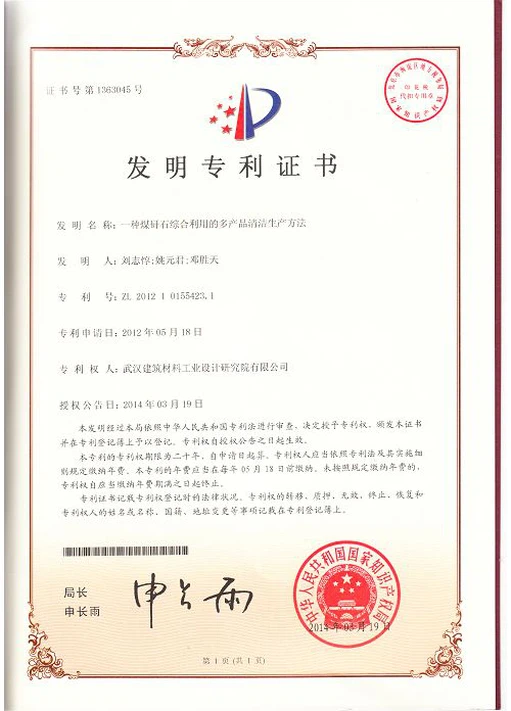
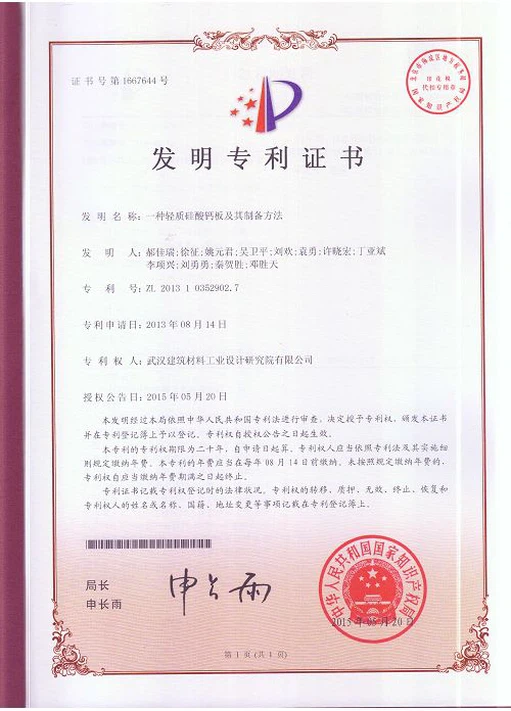
Certificate

FAQ
Q: What are the disadvantages of aerated concrete blocks?
Q: Are aerated concrete blocks better than concrete blocks?
Q: Are aerated concrete blocks expensive?
Q: Are aerated concrete blocks load-bearing?
Q: What is the lifespan of aerated concrete?
And in any case, RAAC was known to have a life span of only 30 years so even RAAC used in the early 1990s is now time expired. As far as we know, the situation which triggered the sudden announcement about school closures on 31 August was linked to a beam collapse, without any prior signs of deterioration.
Q: Why use aerated concrete blocks?
Q: Can aerated blocks be used below ground?
Q: Are AAC blocks load-bearing?
Q: Why do AAC blocks crack?
Q: What is the lifespan of an AAC block?
The lifespan of AAC blocks can vary depending on various factors, including the quality of the blocks, the construction practices, and the environmental conditions they are exposed to. Generally, well-manufactured and properly installed AAC blocks can have a lifespan of 50 to 100 years or more.
Q: What are the cons of Aircrete?
Q: Can you screw into aerated blocks?
Q: What is the R value of aerated block?
Q: Can we stick tiles on AAC blocks?
Q: Is aerated concrete the same as breeze blocks?
Q: How heavy are aerated concrete blocks?
Q: How thick are aerated concrete blocks?
Q: Is AAC block cheaper than bricks?
Q: Can aerated concrete blocks be used outside?
Q: Is aerated concrete cheaper?
Hot Tags: aerated concrete block production line, China aerated concrete block production line manufacturers, suppliers, factory, New Building Materials, Aerated Concrete Block Production Line
You Might Also Like


Send Inquiry