




Sand And Gravel Aggregate
Wuhan Building Material lndustry Design & Research Institute Co., Ltd., subordinated to CNBM was established in 1965. lt is the leading company in fiber cement board / calcium silicate board machinery industry, and has sold more than 200 lines all over the world.The Company's design center has more than 200 engineers, who can give customers the most professional design. The Company also has modern laboratories to help the customers to choose the most suitable rawmaterials and production formula through the testing of raw materials and final products.
Why Choose Us
Factory Strength
Wuhan Building Material lndustry Design & Research Institute Co., Ltd., subordinated to CNBM was established in 1965. lt is the leading company in fiber cement board / calcium silicate board machinery industry, and has sold more than 200 lines all over the world.
Rich Experience
Wuhan Institute has been deeply engaged in the Calcium Silicate board / Fiber Cement board industry for more than 40 years, so far, it has cooperated with many large group companies such as SHERA, Saint-Gobain, ASK, Conch Cement, etc., and has cooperated in more than 200 production lines in the world.
Professional Team
400 Employees, including 16 professor-level senior engineers, 70 senior engineers, 90 engineers with medium-grade professional title or above, and 310 technical staff with other majors.
Quality Control
The Company also has modern laboratories to help the customers to choose the most suitable rawmaterials and production formula through the testing of raw materials and final products.
Related Product
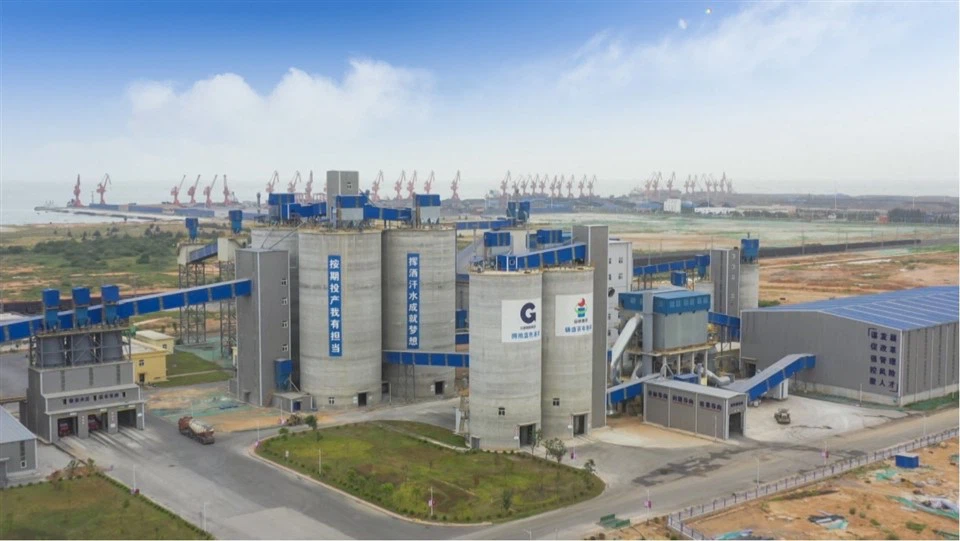
The general contracting project of Beihai Tieshan Port Solid Waste Recycling and Environmental Protection Complex is specially aimed at the comprehensive utilization of solid waste resources in areas such as steel slag, red mud and manganese slag.

Cement Kiln Co-processing Of Construction Waste
The traditional sanitary landfill, construction of waste power plant fly ash disposal and other problems plagued the local governments, the use of cement kiln co-processing of domestic waste, can completely solve the dioxins, slag, fly ash, etc.

In recent years, along with much more strict national management and control on environment protection and mineral resource areas, a lot of aggregates enterprises are forced to be shut down; ancient aggregate industry is confronted with reshuffle, therefor, new-type production line catering to era demands is ready to come out at its call.
Sand aggregate is a general term for materials such as sand, pebble (gravel) gravel, crushed stone, block stone, aggregate stone, etc. Sand and gravel aggregates are the main building materials for concrete and piled stones in water conservancy projects. Humans use it to build and transform the world, consuming tens of billions of tons of gravel aggregates every year. Aggregate accounts for 60% to 75% of the volume of hardened concrete and is the main component of concrete.
Benefits of Sand and Gravel Aggregate
Versatile
One of the more versatile common types of aggregate you can find is sand. Traditional building sand is generally used for housing developments and building structures. Thanks to its fine particles, building sand is frequently used for plastering both the inside and outside of walls. It is also used in bricklaying and mortar, pointing applications and other general construction work.
Used to Make Concrete
In order to make a standard concrete mix, you need to combine cement, aggregates, and water. Concrete sand is more coarse and has larger particles than building sand. As the name suggests, it can be used as the main component in concrete to make the bonding of cement, water, and other aggregates easier. Concrete is the most popular material used in the construction and building industry. Due to its strength and durability, it plays an important role in the foundations of building and housing structures, laying patios, highway & road infrastructure to name a few.
Excellent Water Absorption and Drainage
Aggregates aren't just used for making concrete. Another reason why these materials are commonly used is due to their excellent ability of absorbing and draining water. Aggregates such as top soil can hold on to the right amount of moisture for successful plant growth, making them ideal for landscaping projects.On the other hand, gravel can improve drainage in flood-prone areas such as roads and driveways by redirecting the flow of heavy rainfall and preventing pools of water from forming. Not only are aggregates suitable for major construction work but also for most home and garden improvements.
Cost-Effective
As far as building materials go, aggregates are inexpensive, effective and readily available for most construction projects. When purchased in small quantities, it can be quite costly. Whereas, purchasing aggregates in bulk orders means it is more convenient and you get better value.
Types of Sand and Gravel Aggregate
Fine aggregate (sand)
Rock particles with particle size between 0.15 mm and 4.75 mm are fine aggregate, commonly known as sand. They are divided into natural sand and artificial sand according to their sources.Sand particles are smooth and clean but often contain broken shells, soluble salt and other harmful substances. Mountain sand granule has many edges and corners, rough surface, mud content and organic impurities. Mechanical sand is natural rock with mechanical crushing, being made after screening. And mixed sand is a mixture of natural sand and artificial sand with no fixed mixing ratio.
Coarse aggregate (stone)
The aggregate with particle size between 4.75 mm and 9.0mm is coarse aggregate, commonly known as the stone. It can be divided into two types, that is, gravel and pebble.Gravel is natural rock or rock by mechanical crushing, screening system, and the particle size is larger than 4.75 mm of rock particles. Pebble is a kind of rock particle with a diameter of more than 4.75 mm, which is formed by natural weathering, water current transportation, sorting and accumulation. According to the different sources, it can be divided into river pebble, sea pebble and mountain pebble.
Application of Sand and Gravel Aggregate
Road foundations
In road construction, aggregate types are essential for different layers of a pavement. For a capping layer, 'lower grade' aggregate may be incorporated over weak soils. The main support layer, the subbase, is constructed from a good quality aggregate selected to provide a stiff foundation. In some cases, a structural base layer of high quality, carefully graded aggregate, will be used above the subbase to provide a dense, strong, stiff layer to support the asphalt or paved surfacing.
Rail trackbed
In rail track construction, different types of aggregate are used to created a stable foundation. Ballasted track construction may incorporate a sand layer at the base to reduce water pumping. The foundation layer, the sub-ballast, will typically be a graded aggregate, performing a similar function to a road subbase. The ballast layer, of single size aggregate, supports the sleepers (rail ties) and distributes load down to the foundation. Visit our railway track reinforcement page to discover more.
Asphalt
Asphalt, or asphalt concrete, is a familiar material providing the smooth road surfaces on which we drive. Asphalt is distinct from tarmac, and comprises a mix of aggregate materials bound together with bitumen. Other components may be included to modify and improve the asphalt properties.
Concrete
Concrete has been around as a construction material since 6500 BC. Aggregate particles are bound together with a cementitious paste to form a rock-like material. What we call concrete today is typically produced using Portland Cement. Modern concrete can have extremely high compressive strength. It typically comprises 60%-80% aggregate types by weight.
How to Choose Sand and Gravel Aggregate
Review Supplier Quality Assurance Documentation To Ensure The Quality Of Aggregate Being Supplied Is Up To Standard
Review quality assurance documentation from the supplier prior to purchasing aggregate in order to ensure the quality of the material being supplied is up to standard. Quality assurance documentation gives detailed information regarding the quality and authenticity of the materials.This can include specifics such as the particle size distribution, quality control tests performed on each batch, a certification that the raw materials have been obtained sustainably and ethically, and other relevant information.Having access to quality assurance documents allows buyers to make an informed decision when choosing their aggregate supplier. For example, they can be certain they are not buying a substandard product or materials contaminated with hazardous substances such as lead, arsenic or solvents.
Check For Any Inconsistencies In Material Quality By Conducting A Visual Inspection Of Materials
It is important to check for quality aggregate during visual inspection to ensure the quality of the finished product. Poor quality aggregate can lead to reduced strength, durability and aesthetic quality of a construction project.A visual inspection can also reveal any inconsistencies in quality such as cracks, imbalances in color and irregularities in particle sizes, which can indicate that an inferior quality has been used. Too few fines (smaller particles) or too many fines can lead to reduced strength and durability, while too much organic matter or clay contamination may reduce compaction characteristics.
Ensure Good Gradation
Good gradation is one of the most important aspects in quality control when choosing quality aggregate. Gradation refers to the range of particle sizes that are present in an aggregate sample and determines how well-graded or uniform the material is.Achieving good gradation requires a careful selection of types and sizes of aggregates, which will ensure maximum packing density and better workability for concrete mixtures or asphalt mixes. Properly graded aggregates have more voids between particles, making them stronger and less prone to segregation during transport and placement.
Process of Sand and Gravel Aggregate
In this stage, it is mainly used to pre-crush the bulk materials in the raw ore of sand and stone aggregate by means of hammering, sort the sundries which are not suitable for crushing, and remove the sundries such as waste wood and plastic, so as to facilitate the next processing procedure. The primary magnetic separation is carried out to remove the waste iron from the aggregate.
Firstly, use a vibrating feeder to feed the raw materials evenly. Then use a jaw crusher to crush them. The jaw crusher uses the movement of the jaw plate to crush the large aggregate of sand and gravel into smaller particles. The raw material will be transported to the transit heap by the conveying equipment. Then use the sand making machine to turn the materials into fine plastic, sand and stone aggregate.
In this stage, the circular vibrating screen is used to divide the coarse cracked concrete aggregate into blocks of 0-40 mm and crushed materials of less than 5mm. The coarse aggregate of 5-40 mm can be directly used for the concrete making of general C15-C20 after being collected. Fine aggregate can be transported to the transit reactor for the next process.
The ball mill can be used to grind the fine aggregate again. The crushed aggregate is divided into high-quality recycled aggregate of 5-20 mm by secondary screening, which can be used in the concrete manufacturing of C25-C30. The high-quality recycled fine aggregate of 0.15 mm-5 mm and the fine powder of 0.15 mm or less are selected by tertiary screening.
Generally speaking, the configuration of the aggregate production line should be combined with the user's working condition, capacity, finished product granularity, energy consumption and other requirements.
Tips to Improve the Quality of Sand and Gravel Aggregate
Reasonable Selection Of Machine-made Sand And Gravel Processing Equipment
According to the local climate characteristics and the characteristics of sand mother rock, try to choose dry processing technology and cost-effective crushing equipment.For medium and soft materials like limestone, impact crusher can be used instead of hammer crusher. This is because products processed by hammer crusher have high needle flake content, many dark cracks inside the sand and gravel aggregate, low crushing value and loss of firmness.
The Soil Must Be Removed Before Coarse Crushing
Because the raw material of parent rock is mixed with soil and weathered rock surface, these impurities with low compressive strength are generally small in particle size. The combination of bar feeding screen and soil removing screen is used to remove them in advance before coarse crushing, so as to improve the quality of finished sand and gravel aggregate.
Installation Of Online Testing Facilities For The Quality Of Manufactured Sand
In order to ensure the long-term stability of the quality of machine-made sand, an online testing facility is installed at the discharge opening of machine-made sand finished products to detect the quality of machine-made sand in real time, and realize wireless networking for remote monitoring. When it is found that the quality of the aggregate does not meet the requirements, consult immediately, propose solutions, adjust the equipment, and complete the controllability of the quality of the aggregate.
Solve The Problem Of Powder Coating
In the process of aggregate production, washing measures are mainly taken to solve the problem of aggregate powder coating. Install a regulating valve on the flushing pipeline, and control the amount of flushing water according to the condition of the wool to ensure that the flushing water pressure is 24.5-29.4Pa.
Our Factory

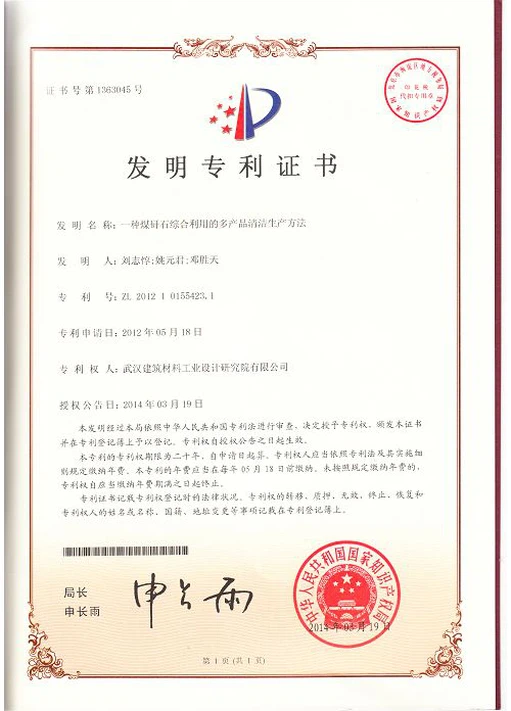
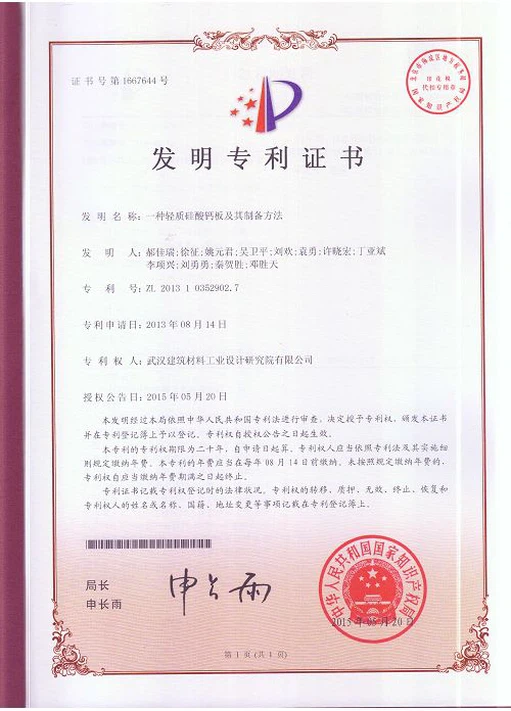
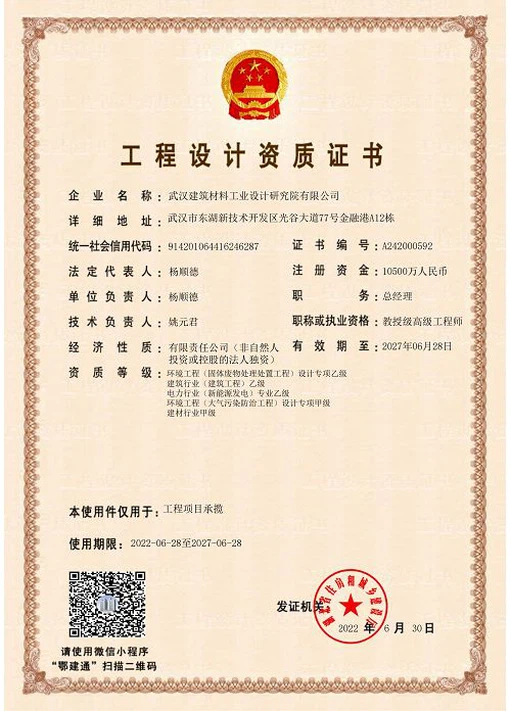
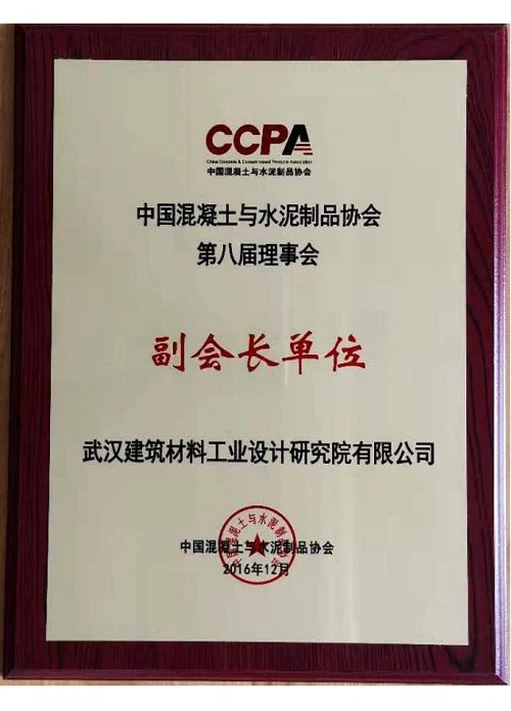
Certificate


FAQ
Hot Tags: sand and gravel aggregate, China sand and gravel aggregate manufacturers, suppliers, factory, gravel aggregate production line, Energy Conservation and Environment Protection, high temperature Steel Slag and Slag Treatment, Cement Kiln Co processing Of Construction Waste, Sand Aggregate production line, Sand and Gravel Aggregate processing system
You Might Also Like


Send Inquiry